

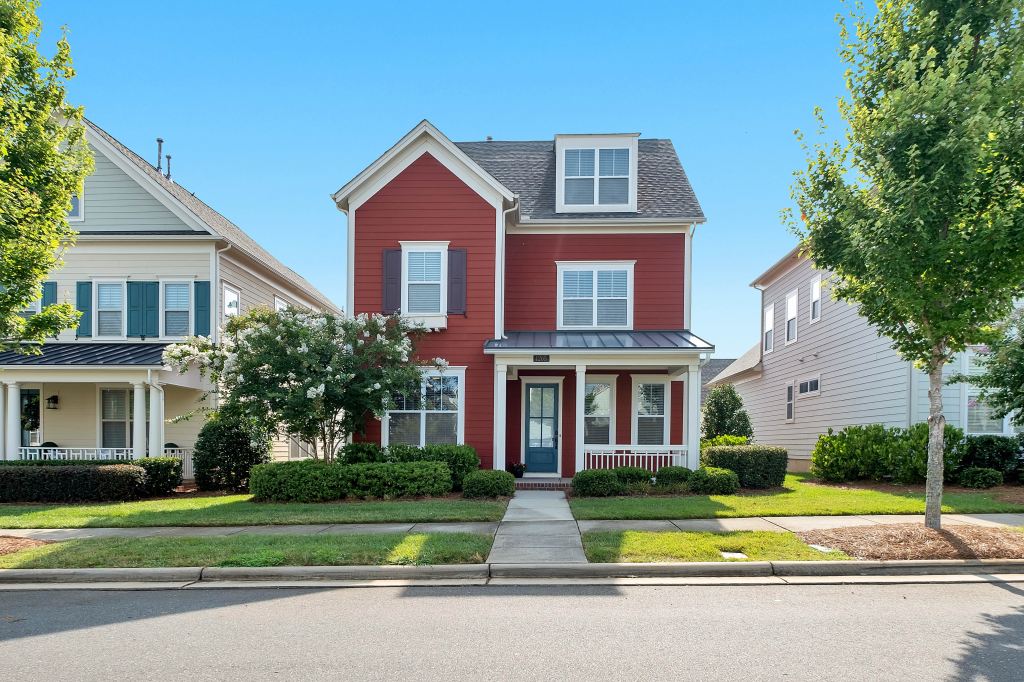
The housing market in East Tennessee is starting to level off from the crazy high prices, low inventory, and bidding wars of the past two years.
There are still multiple offers on homes in the more affordable price ranges of $200,000 – $350,000 but higher-priced homes are staying on the market longer and some may have to make concessions such as rate buydowns, paying buyer closing costs, and less aggressive pricing.
Buyers are seeing more sellers willing to pay some closing costs, accept more financing types (other than cash or conventional loans), and accept offers below the listing price on homes that have been on the market for more than a few weeks. Coupled with new loan programs and down payment assistance programs through lenders, we are seeing buyers have more options in this era of higher interest rates.
If you are considering selling your home, it’s still ultimately a seller’s market in most cases but also be aware of the following:
- Home prices are down slightly compared to last year’s highs, but they’re still higher than they were before the pandemic began. If sellers have owned their home for at least a few years, they have likely built plenty of equity to put toward their next home purchase.
- One of the biggest challenges facing today’s buyers is a lack of appealing, move-in-ready inventory, and new listings are coming on the market more slowly than they have since the start of the pandemic. If sellers put in a little bit of prep work before listing, their home will be one of the few options available to eager buyers who aren’t interested in DIY.
- We’re seeing bidding wars return in some parts of the market, while in others, sellers need to get more creative to get buyers interested. As your agent, I can fill you in on local competition levels and what strategies you could use, like offering to help cover the cost of a rate buy-down or advertising a flexible closing date, to attract offers.
- Use an agent that is staying on top of the latest trends in the local market. National trends are indicators but local trends don’t always follow. The East Tennessee market has traditionally been pretty stable and is often more resistant to the high highs and low lows that we see across the United States.

 Tere Sells Homes